
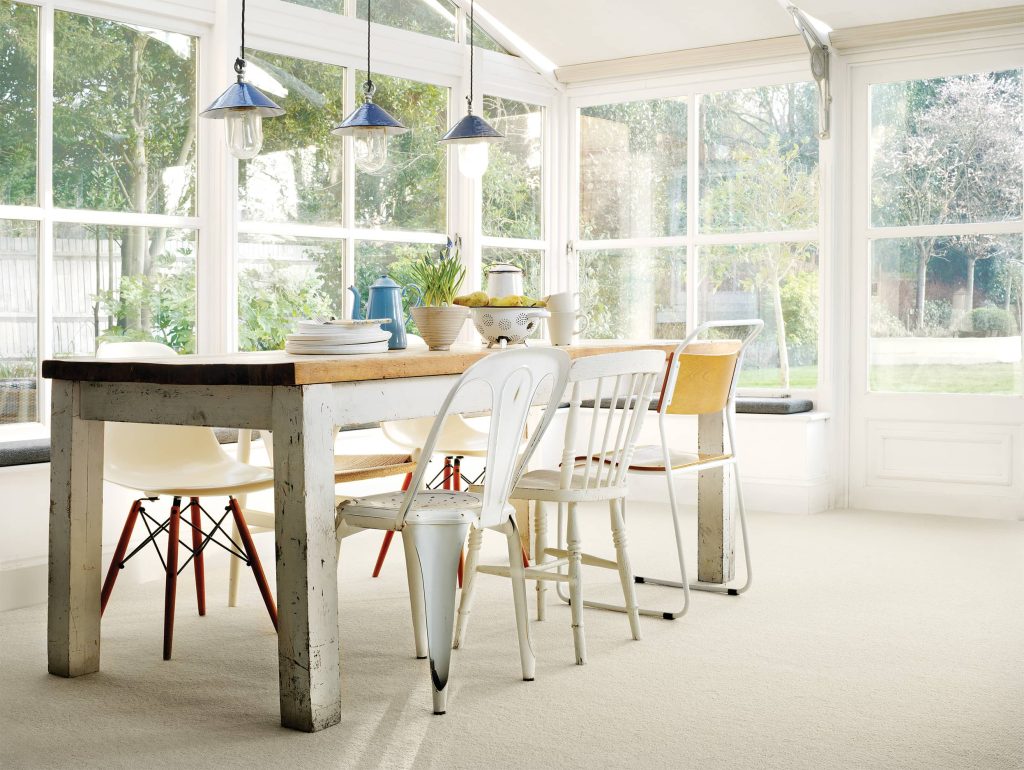
How to dry a wet carpet
The result of a burst pipe, a flooding incident, or simply a spill that got out of hand can cause your carpet to become wet.
While it is a fairly common household emergency, there isn’t much way around it other than a swift and well-planned response. The longer moisture is left to linger beneath and within carpet fibres, the worse the lasting damage is likely to be.
It isn’t only the carpet itself that is exposed to risk, but so is the underlay, subfloor and structural integrity of the room. Acting quickly and methodically can save your carpet.
Locate and stop the source
Early identification is key to stopping the source from leaking more water. Before you reach for your appliances, such as a towel or fan, you must be sure the flow of water has stopped.
The drying process can’t take full effect if moisture is still entering the room. In extreme cases involving a leak or plumbing issue, it’s important to turn off the water supply and seek professional help before addressing your flooring.
If the water damage has been caused by flooding from outside, the safety of the property needs to be checked, and the water needs to have fully receded before proceeding. Only once the source is resolved can you properly begin to assess the situation.
Remove as much water as possible
The first practical step is to extract as much standing water as you can, as quickly as you can. For smaller areas, absorbent towels or cloths pressed firmly into the carpet will lift a surprising amount of moisture. Press down and hold rather than rubbing, as this can unintentionally work water deeper into the pile.
For larger affected areas, a wet and dry vacuum cleaner is a tool capable of pulling significant volumes of water from carpet fibres – without adding to the damage. If you have one to hand, make multiple passes over the same area to maximise extraction. If you don’t own one, they are available to hire from local tool hire companies.
Lift the carpet
Water saturation is worse when there are large amounts of water, in which case it’s better to lift the carpet away from the floor to allow both sides to dry properly.
This is particularly important when it comes to the underlay. It acts like a sponge and retains moisture long after the surface of the carpet appears dry. In many cases, the underlay will need to be removed entirely and replaced, as it is rarely possible to dry it to a satisfactory standard once it has been heavily saturated.
Carefully peel back the carpet from the edges of the room, starting at a corner, and prop it up or lay it flat in a well-ventilated area. This gives you access to the subfloor beneath, which will also need thorough drying to prevent warping or rotting.
Air circulation and heat
The drying process relies heavily on consistent airflow and warmth, once the bulk of the water has been removed.
Open windows and doors where possible to encourage fresh air to move through the space, and position electric fans to direct air across the surface of the carpet. A dehumidifier is one of the most effective tools in this situation, actively drawing moisture from the air and accelerating the overall drying time considerably. Central heating can also be useful, but avoid using it in a way that creates excessive heat in an enclosed space, as this can actually encourage mould growth.
The goal is a steady, well-ventilated environment that slowly but surely draws the remaining moisture out.
Take mould seriously
Mould can begin to develop in wet carpet within 24 to 48 hours, which is why time is of the essence in the drying process. If you notice a musty smell, discolouration, or visible mould growth, it is important to treat this promptly.
A solution of white vinegar and water applied to the affected area can help to inhibit further mould development. There are also specialist carpet cleaning products designed to address carpet mould, if you’d prefer.
In severe cases, you may want to draft in a professional carpet cleaning service, who have the equipment and expertise to deal with contaminated or heavily mould-affected carpets.
Ignoring the signs of mould can pose health risks to household occupants, particularly those with respiratory conditions.
When should it be left to the professionals?
The scale of damage or risk of contamination can be so significant is some circumstances that professional intervention is the wisest course of action.
If the water involved is classed as grey or black water, it has come into contact with sewage or other contaminants. A professional restoration service should be contacted immediately, as the health implications of improper handling are not worth the risk.
Similarly, if the carpet has been saturated for more than 48 hours, or if the subfloor beneath shows signs of serious damage, you may need specialist help to assess whether the flooring can be salvaged at all. A reputable flooring specialist will be able to advise you honestly on the best way forward.
Future prevention
Whilst most water incident aren’t anticipated, there are steps you can take to protect your flooring in moisture-prone areas. Rooms such as bathrooms, kitchens, and utility spaces are better suited to waterproof flooring options like LVT – which is impervious to water and far more forgiving in the event of a leak or spillage.
Carpeted rooms can also benefit from a quality product with a robust construction, as well as keeping on top of regular maintenance. This will put you in a much better position if the unexpected occurs.
Flooring going forward
As a flooring and interiors business, we understand that the flooring you pick is one of the most important investments in your home – and therefore, you want it to last.
Whether you’re looking to replace a carpet that has seen better days, or you’re exploring more water-resistant flooring solutions for areas of your home that are prone to moisture, our team is here to help you find the right fit.
Visit our showroom in Mere Green to browse our broad range of carpets, luxury vinyl flooring, and more, or get in touch today to arrange a free quote.